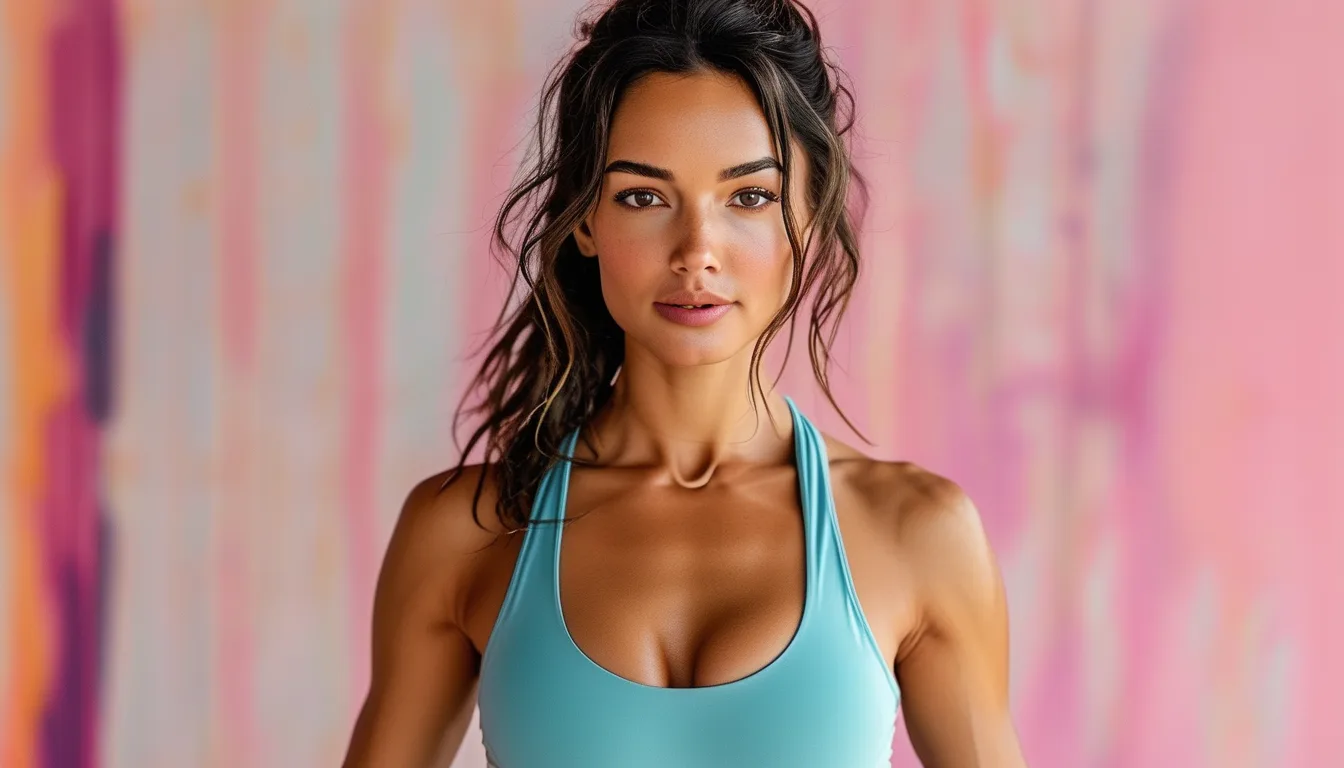
Bangs and Baby Hairs During Workouts: What Actually Keeps Them in Place
Quick Answer: A combination of a sweat-wicking headband positioned to lift bangs off the forehead, a light hold gel or edge control applied before the workout, and a few small clips for baby hairs handles most bang-related sweat problems — bangs and baby hairs are too short to fully pull back, so the goal is managing them in place rather than trying to remove them from your face entirely.

Why do bangs cause more sweat frustration than the rest of your hair?
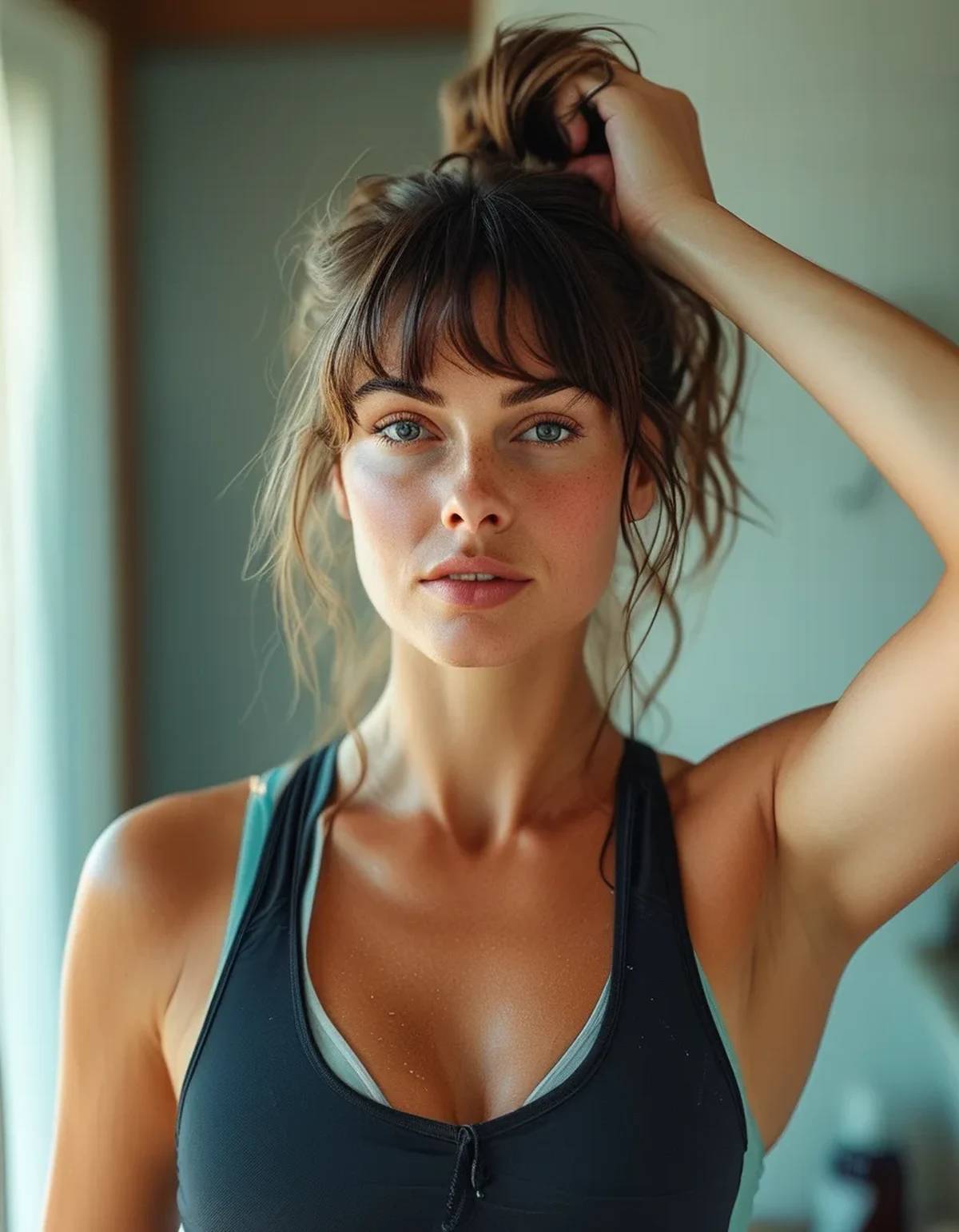
Bangs sit directly in the path of forehead sweat, and their short length means most standard hair-securing methods (ponytails, buns) simply can’t reach them. That combination — maximum sweat exposure, minimum styling options — is what makes them uniquely frustrating compared to longer hair that can be fully pulled back.
Does a headband actually work, or does it just push sweat elsewhere?
A properly positioned sweat-wicking headband, worn slightly further back than a fashion headband would sit, lifts bangs up and off the forehead while absorbing sweat before it reaches your eyes. A headband worn too far forward, directly over the bangs, tends to just trap sweat against them instead of solving the problem.
What’s the actual role of gel or edge control here?
A light-hold gel applied to damp bangs before a workout helps them lay flatter and resist frizzing from sweat and humidity, buying more time before they start sticking to your forehead. Heavy gel or wax products tend to reactivate and get greasy-looking under sweat, so a lighter, humidity-resistant formula works better for this specific use than a strong-hold styling product.
5 Mistakes People Make With Bangs at the Gym
1. Using a headband positioned too far forward, trapping sweat against the bangs. 2. Skipping any product, expecting bangs to just behave under sweat. 3. Using heavy pomade that turns greasy and shiny once sweat mixes in. 4. Not using small clips for the shortest baby hairs that a headband alone can’t fully catch. 5. Waiting until bangs are already sweat-soaked to try to fix them mid-workout, instead of setting up before starting.
FAQ: Bangs and Baby Hairs Workout Questions, Answered
Can bangs be trained to sit differently for workouts specifically?
Some people use a round brush and blow dryer to train bangs slightly off-center or side-swept, which naturally keeps them further from the direct sweat line than fully forward-falling bangs.
Are small hair clips actually effective for baby hairs, or do they just look messy?
Small, flat snap clips placed close to the hairline work well and stay fairly discreet, especially compared to bobby pins, which tend to slip out faster once sweat gets involved.
Does hair length of the bangs themselves matter for how much trouble they cause?
Yes — bangs long enough to tuck slightly behind a headband cause noticeably less sweat frustration than very short, blunt bangs that have nowhere to go but straight down onto the forehead.
TL;DR:
- Bangs and baby hairs are too short for pulling back, so managing them in place is the goal
- A properly positioned headband lifts bangs off the forehead instead of trapping sweat
- Light-hold gel resists frizz better than heavy product, which turns greasy under sweat
- Small flat clips help catch the shortest baby hairs a headband alone can’t reach
A few minutes of prep before class saves the mid-workout moment of bangs sticking to a sweaty forehead — worth the small routine addition.
Keep Reading
This article is for general informational and styling purposes only. Fit, sizing, and product availability may vary.