Why Your Hair Ties Keep Snapping Mid-Workout (It's Not Just Bad Luck)
Quick Answer: Hair elastics snap most often from repeated high-tension stretching (pulling hair into a very tight ponytail) combined with sweat and heat weakening the elastic’s rubber core — thicker fabric-covered elastics and slightly looser styling both reduce breakage significantly compared to thin rubber bands pulled tight.
Going through several elastics a week feels like bad luck, but it’s usually a predictable combination of tension and material choice.
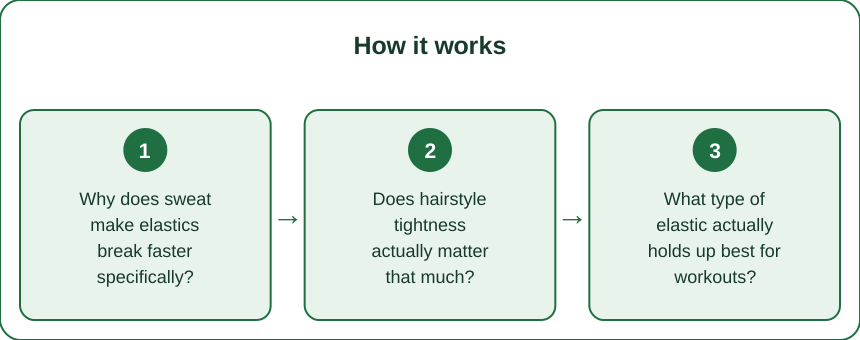
Why does sweat make elastics break faster specifically?
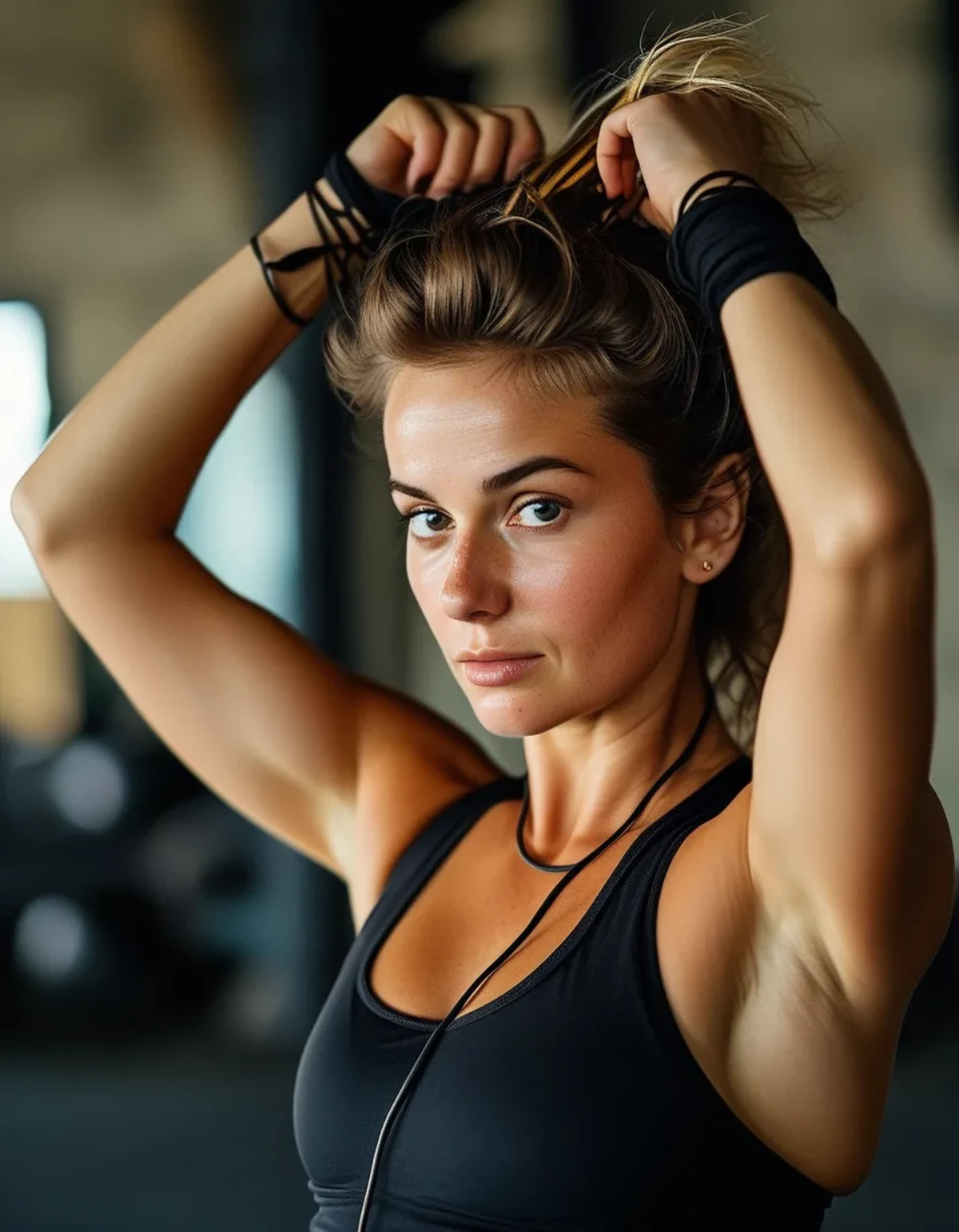
Most hair elastics have a rubber or elastane core that provides the stretch. Heat and moisture from sweat gradually degrade rubber’s elasticity, similar to how a rubber band left in a hot car becomes brittle faster than one stored cool and dry. A single sweaty workout won’t ruin an elastic, but repeated heat-and-moisture cycling across many sessions accelerates the material breakdown that eventually causes a snap.
This is compounded by the fact that a workout ponytail is often pulled tighter than an everyday one, meaning the already-stressed elastic is also under more mechanical load than it would be in daily wear.
Does hairstyle tightness actually matter that much?
Yes — a very tight, high ponytail puts significantly more sustained stretch on the elastic than a looser style, and elastics under constant high tension fatigue and snap faster than ones with some slack. A moderately snug rather than maximally tight ponytail reduces both elastic breakage and, as a secondary benefit, reduces tension-related headaches and hair breakage at the root that very tight styles can cause.
What type of elastic actually holds up best for workouts?
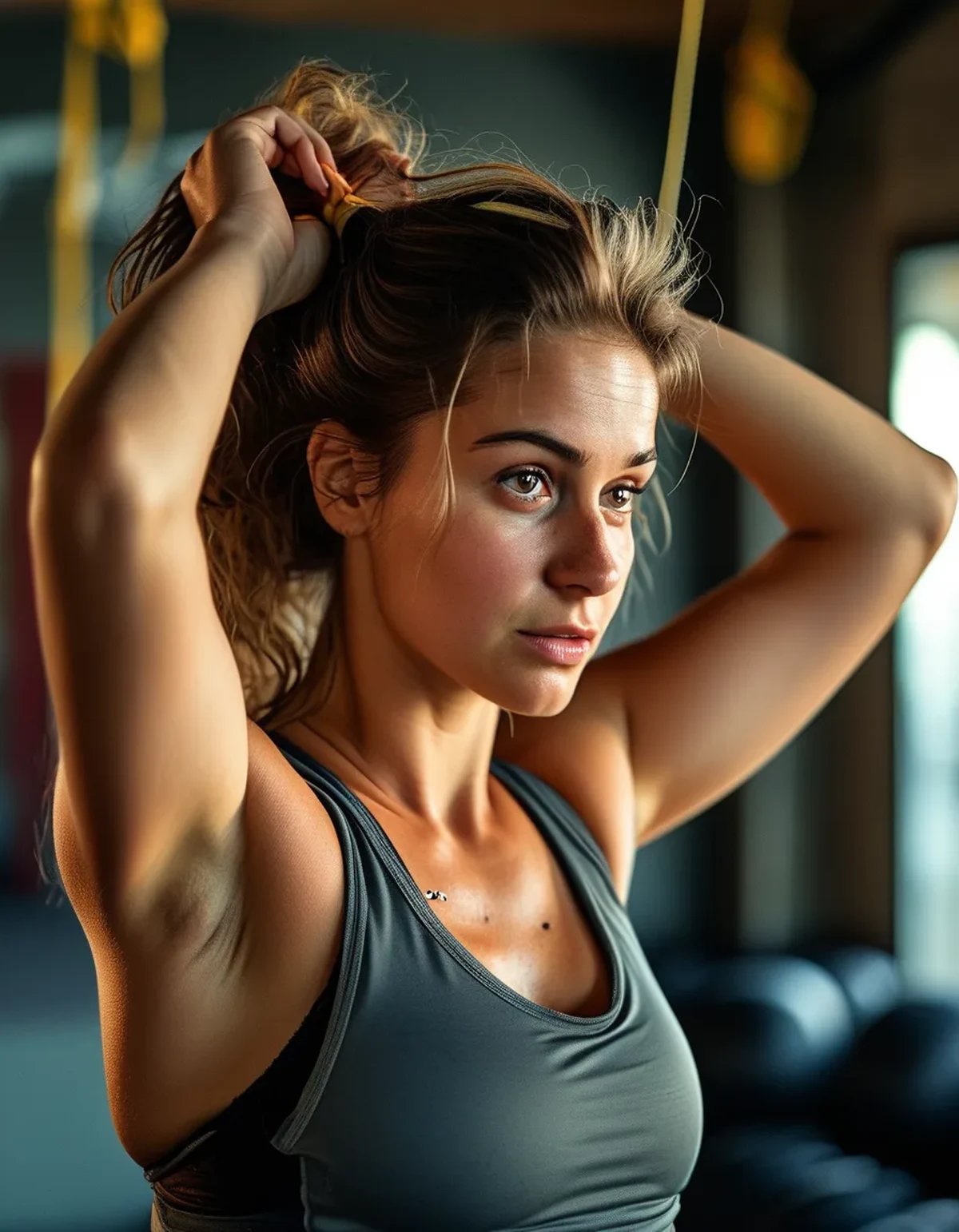
- Fabric-covered (scrunchie-style) elastics distribute tension across a wider surface and generally outlast thin rubber bands significantly, though they can be bulkier for very high-intensity movement
- Thicker, higher-quality rubber-core ties (not the thinnest drugstore variety) tend to have more durable elastic cores rated for repeated stretch
- Rotating between 3-4 elastics rather than using the same one for weeks straight reduces cumulative fatigue on any single one, since each gets more recovery time between uses
- Avoiding elastics with metal crimps for high-movement workouts, since the metal edge can create a weak point that catches and pulls under sweat and friction
What Nobody Tells You About Elastic Storage
Here’s a detail that’s easy to miss: how you store elastics between uses affects their lifespan too. Leaving elastics stretched around a wrist or bunched tightly in a bag keeps them under low-level tension even when not in use, which contributes to the same fatigue process as workout wear. Storing them unstretched, loose in a small pouch or container, lets the material fully relax between sessions.
FAQ: Workout Hair Elastic Questions, Answered
Is it bad to wear a hair elastic on your wrist between workouts?
For occasional convenience it’s not a major issue, but habitual wrist-wearing does add cumulative low-level stretch that shortens the elastic’s usable life somewhat.
How often should workout hair elastics be replaced?
A reasonable habit is retiring an elastic once you notice reduced snap-back or visible thinning, rather than waiting for it to actually break mid-workout, which is more predictable and less disruptive.
Do certain hair types cause more elastic breakage?
Thicker or coarser hair generally requires more elastic stretch to secure, putting more mechanical stress on the elastic per use, which can mean somewhat faster wear compared to fine, thin hair styled the same way.
TL;DR:
- Heat and sweat degrade elastic material over repeated sessions, especially combined with high-tension styling
- A moderately snug rather than maximally tight ponytail reduces both elastic breakage and root tension
- Thicker fabric-covered elastics generally outlast thin rubber bands for workout use
- Rotating between several elastics and storing them unstretched both extend usable lifespan
Keep Reading
This article is for general informational and styling purposes only. Fit, sizing, and product availability may vary.