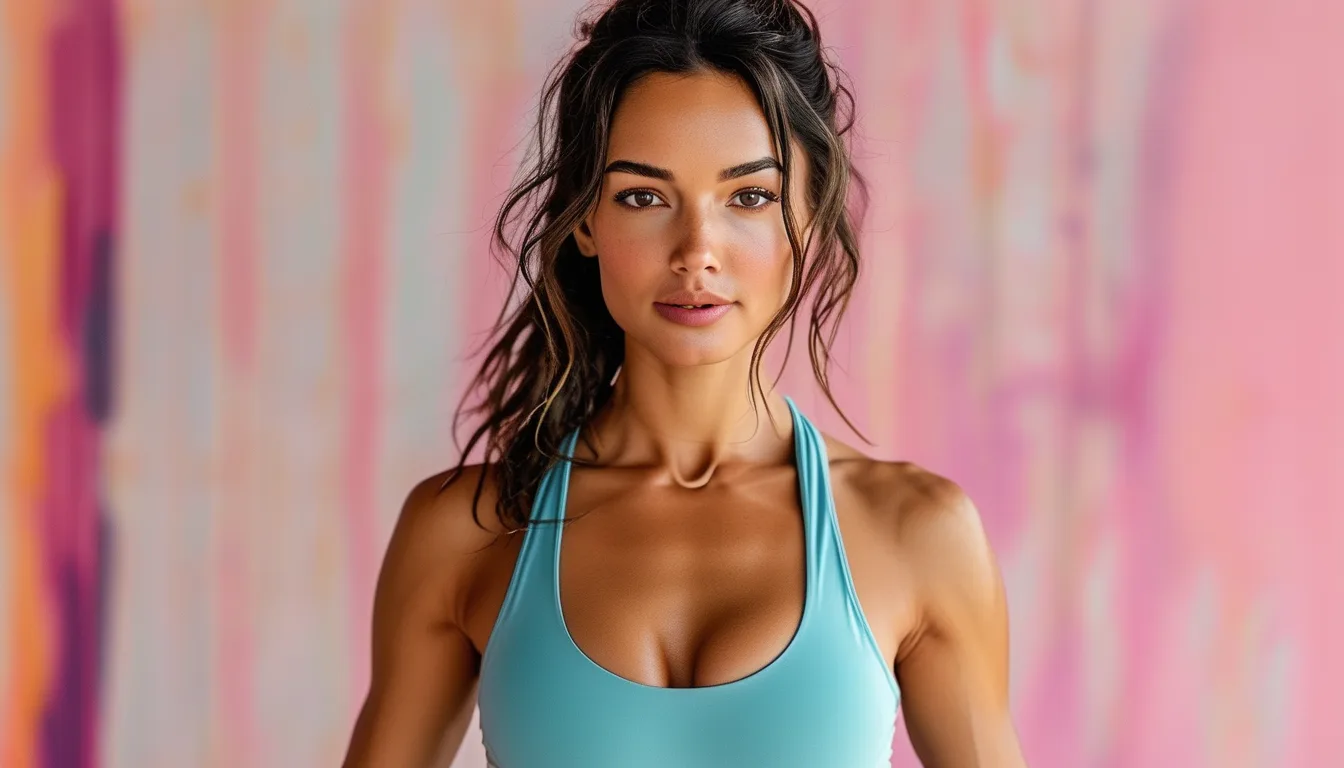
Why Working Out With Wet Hair Makes Frizz Worse Later, Not Just During
Quick Answer: Sweating into hair that’s already damp from a shower or humidity causes the hair shaft to absorb and lose moisture repeatedly during a workout, disrupting the cuticle and setting up frizz that often peaks hours after you’ve finished, not during. Fully drying hair before a sweaty session, or securing it properly if damp, prevents most of this.
You’ve noticed it before — a workout that starts with slightly damp hair somehow leaves you with worse frizz that evening than a workout where your hair was bone dry going in. That delay isn’t random.
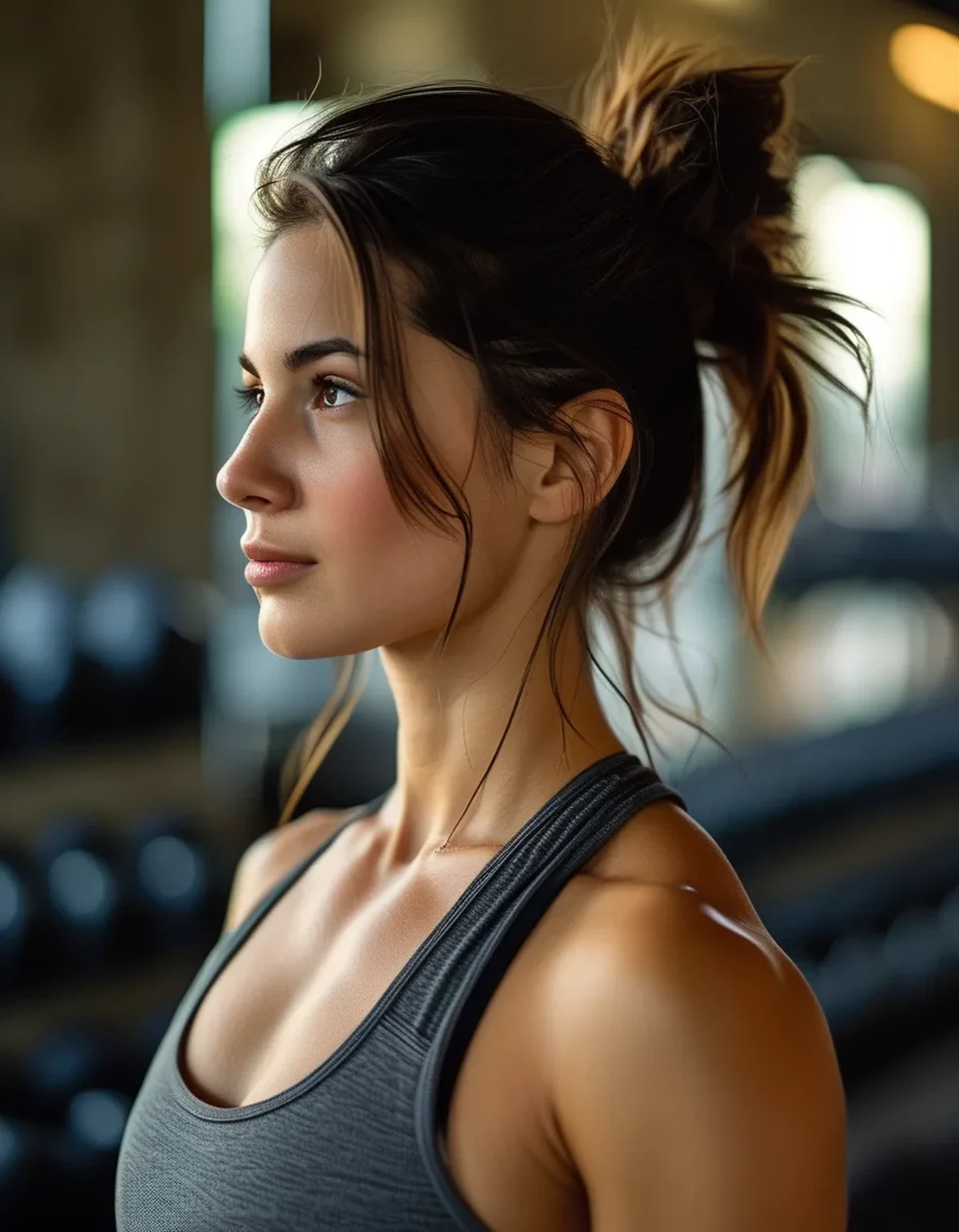
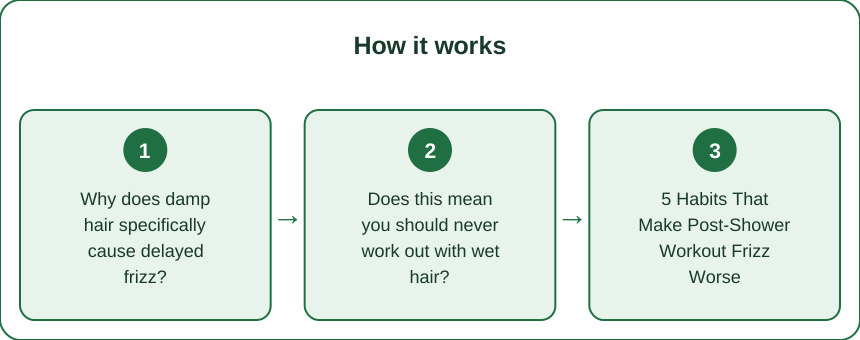
Why does damp hair specifically cause delayed frizz?
Hair’s outer cuticle layer lies flat when hair is properly dry and lifts slightly when repeatedly wetted and dried, which is exactly what happens when already-damp hair sweats, partially dries under a hair tie, then sweats again during a session.
This repeated moisture cycling roughens the cuticle surface more than either fully wet or fully dry hair experiences on its own — the roughened cuticle is what causes frizz, and that structural change doesn’t fully show itself until hair dries completely post-workout, hence the delay.
Does this mean you should never work out with wet hair?
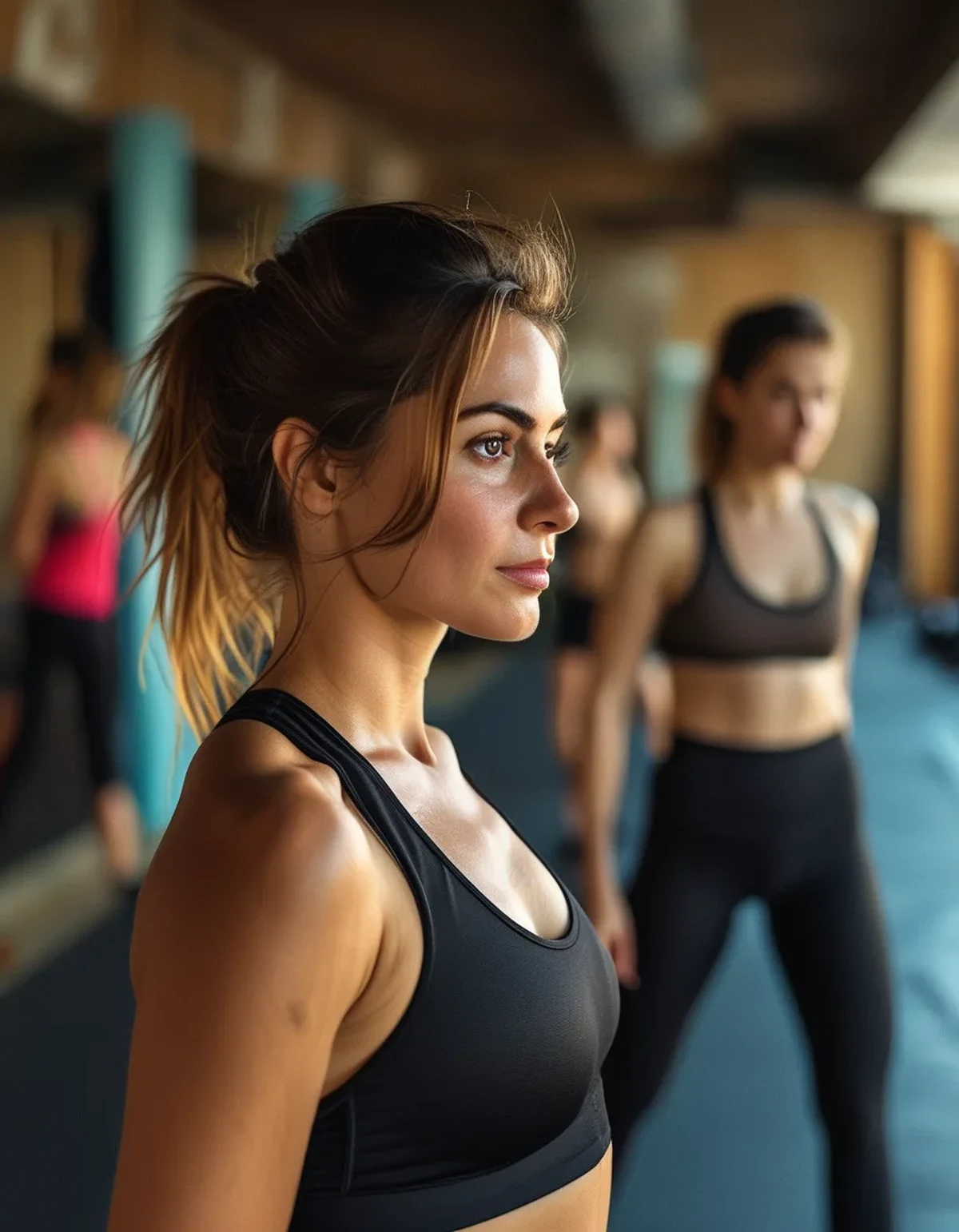
Not never — but if hair is damp going in, securing it in a way that minimizes friction and repeated wet-dry cycling matters more than usual. A loose bun or braid that keeps hair from rubbing against itself repeatedly reduces the cuticle disruption compared to a loose ponytail that swings and rubs with movement.
If you have the option, a quick 2-3 minute blow-dry to get hair from damp to just barely damp (not soaking) before a workout meaningfully reduces this effect.
5 Habits That Make Post-Shower Workout Frizz Worse
1. A loose, swinging ponytail on damp hair. Constant friction against itself accelerates cuticle roughening.
2. Skipping any product before a workout. Even a light leave-in or anti-frizz serum provides some cuticle protection during the wet-dry cycling.
3. Using a regular elastic instead of a smooth scrunchie or spiral tie. Standard elastics create more friction and breakage points on damp hair specifically.
4. Toweling hair very roughly before securing it. Aggressive rubbing already roughens the cuticle before your workout even starts.
5. Not braiding or securing textured or curly hair specifically. Curl patterns are generally more prone to this frizz cycle and benefit more from a protective style during exercise.
What’s the actual best prep routine?
Towel-dry gently (squeeze, don’t rub) or blow-dry hair to mostly dry before a workout when possible, apply a light leave-in or anti-frizz product, then secure in a low braid or bun using a smooth hair tie rather than a standard elastic.
If you’re showering right before a workout and don’t have time to dry hair first, prioritize the braid or bun over a loose ponytail — minimizing movement and friction matters most when you can’t control the moisture level.
FAQ: Wet Hair Workout Frizz Questions, Answered
Is this frizz effect worse for curly or textured hair?
Generally yes — curl patterns have a more porous cuticle structure to begin with, making them more sensitive to repeated wet-dry cycling than straight hair.
Does hair type change how much prep time I need?
Yes — thicker or curlier hair typically needs more drying or protective styling time before a sweaty workout than fine, straight hair, which dries and re-wets less dramatically.
Can leave-in conditioner alone prevent this frizz?
It helps meaningfully but doesn’t fully offset the mechanical effect of repeated wet-dry cycling — combining product with a protective, low-friction style gives better results than product alone.
TL;DR:
- Sweating into already-damp hair causes repeated wet-dry cycling that roughens the cuticle, with frizz often peaking hours after the workout
- A protective style (low braid or bun) reduces friction more than a loose, swinging ponytail
- A quick partial blow-dry before a sweaty workout meaningfully reduces the effect
- Curly or textured hair is generally more sensitive to this cycle than straight hair
Next time you’re heading to a workout right after a shower, reach for a braid instead of a ponytail — the frizz you’d blame on sweat later is often set up before you even start.
Keep Reading
This article is for general informational and styling purposes only. Fit, sizing, and product availability may vary.